
BlOG PUBLISHED ON: March 2026
When you’re shipping products on pallets, small packaging decisions can make a big difference in product protection and warehouse efficiency for employees.
Three of the most commonly used paperboard solutions are pallet sheets, tier sheets, and pads. While they may look similar at first glance, each one serves a different role in protecting products during storage and transportation.
If you’re noticing issues such as product damage, leaning units, or load containment problems, you may need to reassess your packaging solutions. Below is a breakdown of when to use each.
Quick Comparison
| Product | Where It’s Used | Primary Purpose |
| Pallet Sheets | Between pallet and product | Protect from nails, splinters, moisture, and contamination |
| Tier Sheets | Between layers of product | Improve load stability and support stacking |
| Pads | Inside boxes or packaging | Protect individual products from pressure, knives, and dust |
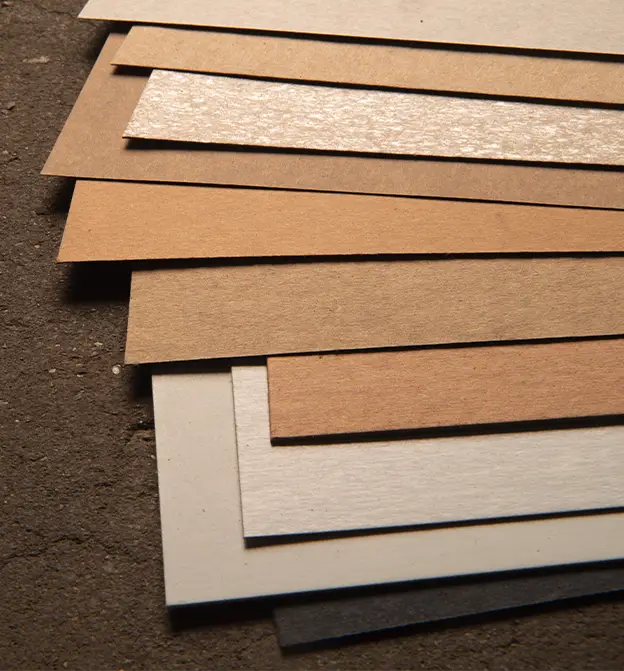
When to Use Pallet Sheets
Pallet sheets are placed directly on top of a pallet before products are loaded. Their main job is to create a clean, protective barrier between the pallet surface and the product. Use a pallet sheet when your primary concern is protecting the bottom layer of products and improving load hygiene and stability.
A food and beverage distributor shipping shrink-wrapped cases often places pallet sheets between the pallet and the first layer of cases. This prevents wood splinters from damaging packaging and keeps the load clean for food-safe environments.
Pallet sheets are also commonly used in pharmaceutical distribution, where maintaining clean surfaces throughout the supply chain is critical.
Another common use comes from companies shipping bulk bags or super sacks. These heavy loads can shift or rub against rough pallet surfaces. A pallet sheet creates a smoother base that protects the product and stabilizes the load.
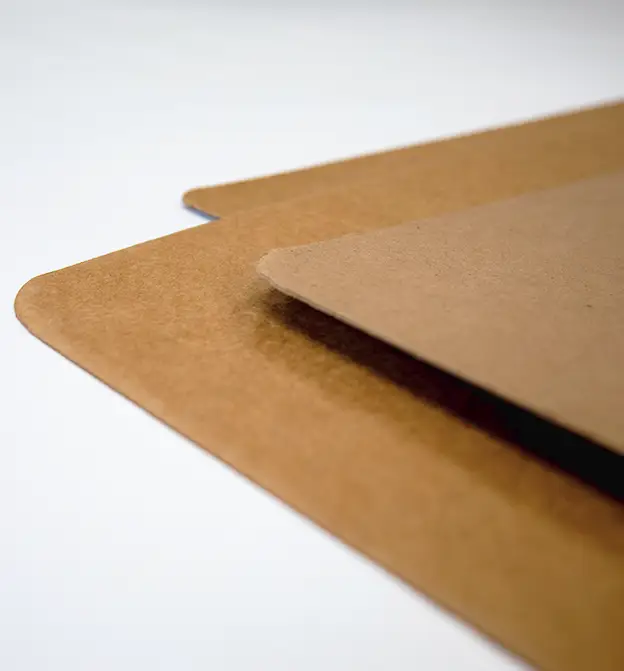
When to Use a Tier Sheet
Tier sheets are placed between layers of product on a pallet. Their purpose is to improve stacking strength and reduce movement between layers. Use a tier sheet when your goal is to stabilize stacked layers and prevent movement during shipping or warehouse handling.
A bottling or canning facility often stacks cases several layers high on a pallet. By placing tier sheets between layers, they create a more stable load that can withstand transportation and warehouse handling.
Tier sheets are also widely used with cased goods moving through automated palletizing equipment. The sheet helps maintain even stacking and keeps loads square as they move through the system.
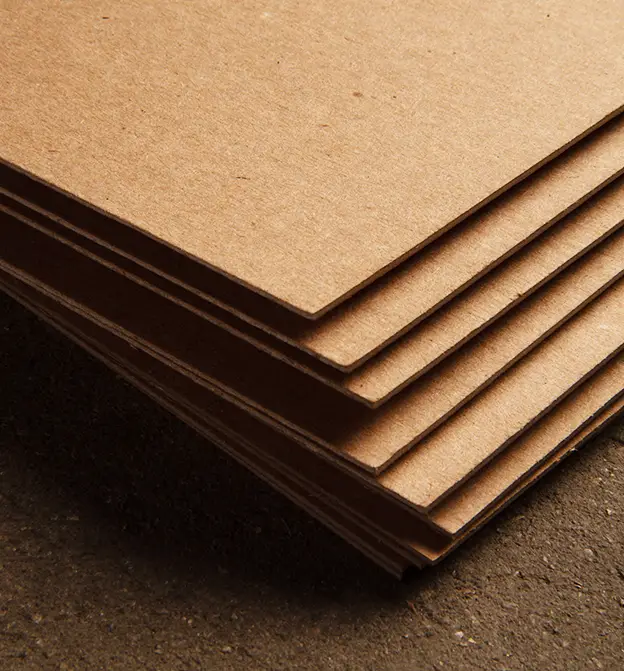
When to Use Pads
Pads provide rigid protection from pressure, cutting, and dust. They can also help maintain the structure of the box during stacking and shipment. Use pads when your priority is protecting individual products inside packaging rather than stabilizing pallet loads.
An e-commerce fulfillment center may place pads on the top of a product before sealing the box. This adds top-down protection during stacking and prevents damage during transit.
Pads are also commonly used in packaging, where box cutters are used during receiving, adding a layer of protection against accidental product damage during cutting.
Why the Right Paperboard Solution Matters
In shipping and distribution environments, product damage often happens at key contact points.
Using the right paperboard component at each stage helps improve load stability, protect products, and reduce costly damage during transportation.
At Badger Paperboard, we help distributors and manufacturers choose the right paperboard solution for their shipping environment. Whether you need pallet sheets, tier sheets, or protective pads, our team can help you determine the right material, thickness, and size for your application. We’ll ask you questions like:
- What is your product and how is it packaged?
- How much does it weigh?
- How many layers high are you stacking it?
- How many times is the sheet used in the total supply chain?
- Is this for an automatic or manual application?
- Is moisture resistance a concern?
Let us help you find the solution that’s the perfect fit for whatever you’re shipping.

Blog Category:
Featured Blog Michael Hrasky Pads Pallet Sheets Slip Sheets & Tier Sheets Tips and Tricks
About Michael Hrasky
With more than 28 years of experience in business development and consultative sales, our National Sales Manager brings a depth of expertise that spans the packaging, technology, and SaaS sectors.
In his role, the focus is on driving growth, expanding market presence, and building strategic partnerships that deliver measurable results for Badger Paperboard and the clients we serve. That work includes leading account initiatives, developing growth strategies, and aligning innovative solutions with the demands of an evolving market.
The philosophy behind Michael’s approach is straightforward: long-term success is built on strong relationships, transparent communication, and delivering value that goes beyond the product itself. That belief shapes every client interaction Michael has.
